We may earn a commission for purchases through links on our site at no cost to you, Learn more.
- Arvest Bank is not publicly traded; it is privately owned.
- The Walton family, founders of Walmart, owns Arvest Bank.
- Publicly traded companies sell shares on stock exchanges, but Arvest Bank does not.
- Private ownership allows Arvest Bank to focus on long-term goals and community service.
- Investors cannot directly purchase stock in Arvest Bank.
- Walmart’s success indirectly supports Arvest Bank due to shared ownership by the Walton family.
- Arvest Bank’s private status gives it operational flexibility without public shareholder pressures.
- There are no current indications that Arvest Bank plans to go public.
- Private banks like Arvest differ from public banks in funding sources and operational priorities.
- Arvest Bank prioritizes stability, independence, and serving its communities.
Arvest Bank is a well-known financial institution with a strong presence in the central United States. Many individuals, particularly those interested in investing, wonder, is Arvest Bank publicly traded? This question arises because of Arvest’s size and reputation, which might suggest it operates as a publicly traded company.
In this blog post, we will explore this question in detail, discussing the structure of Arvest Bank, its ownership, and implications for investors. By the end of this article, you’ll have a clear understanding of Arvest Bank’s status in the financial sector.
Is Arvest Bank Publicly Traded?
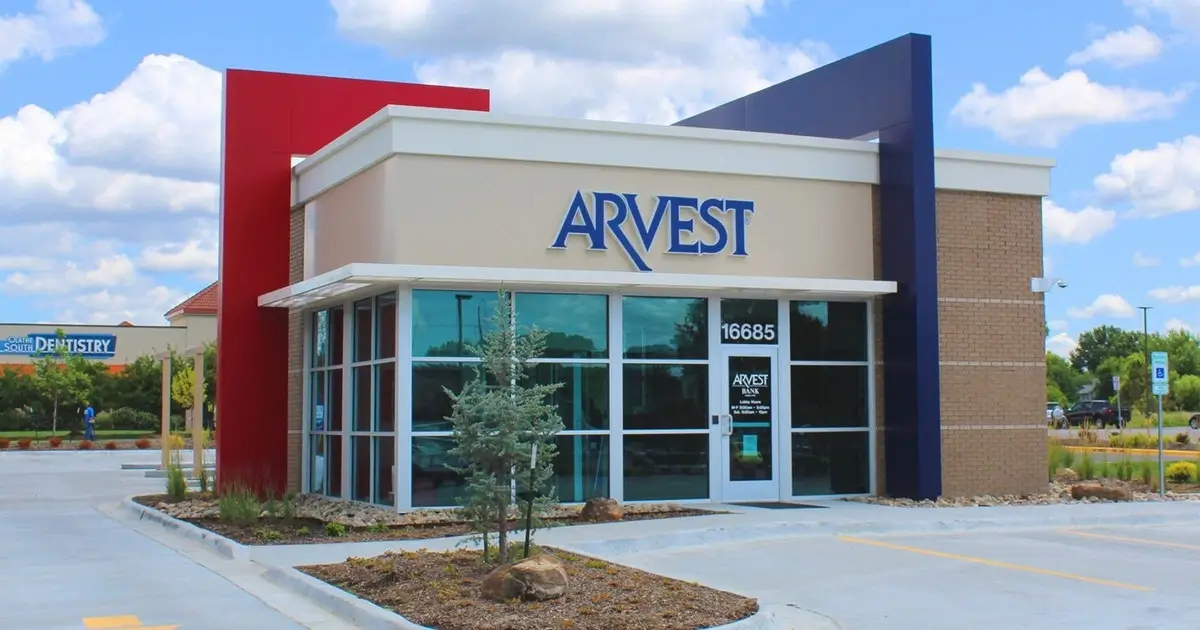
Arvest Bank is a regional bank headquartered in Bentonville, Arkansas. With roots tracing back to 1961, the bank has grown to serve customers across Arkansas, Oklahoma, Kansas, and Missouri. Known for its comprehensive range of banking services, Arvest supports individuals, businesses, and communities with offerings that include checking and savings accounts, loans, mortgages, and wealth management services.
A question that often arises is, is Arvest Bank publicly traded? Understanding whether a company is publicly traded is essential for potential investors and anyone interested in the banking sector. It determines whether shares of the company are available for purchase on stock exchanges and reveals key insights about the organization’s ownership structure.
Arvest Bank’s Ownership Structure
To address the question, is Arvest Bank publicly traded?, we first need to explore its ownership structure. Arvest Bank is privately owned. This means that its shares are not available on any stock exchange, such as the New York Stock Exchange (NYSE) or NASDAQ.
The Walton family, best known as the founders of Walmart, owns Arvest Bank. This connection to one of the largest retail companies in the world adds to the bank’s prestige and financial stability. Despite its private ownership, Arvest operates with the scale and resources of a much larger institution.
What Does “Publicly Traded” Mean?
To fully understand why is Arvest Bank publicly traded? is a common inquiry, let’s define what it means for a company to be publicly traded. Publicly traded companies sell shares of their stock to the general public through a stock exchange. These shares can be bought and sold by individual and institutional investors.
Public companies are subject to regulations by the Securities and Exchange Commission (SEC). They must disclose financial statements and other critical information to the public. This transparency allows investors to evaluate the company’s financial health and performance. Arvest Bank’s private ownership means it does not have these obligations, nor does it make shares available for purchase.
Why Arvest Bank Remains Private
Understanding why Arvest Bank is not publicly traded requires examining the advantages of remaining private. As a private company, Arvest Bank has more control over its operations and decision-making processes. It is not required to meet quarterly earnings expectations or cater to shareholders.
Being privately owned also allows Arvest Bank to focus on long-term goals rather than short-term profits. This flexibility can lead to better customer service, strategic growth, and community-focused initiatives. The Walton family’s ownership ensures stability and continuity in the bank’s leadership and vision.
Implications for Investors
For those wondering, is Arvest Bank publicly traded?, the answer has clear implications. Because Arvest Bank is private, individuals cannot invest in it directly by purchasing stock. This may disappoint potential investors who see the bank’s growth and performance as attractive.
However, the connection to Walmart provides an indirect way to benefit from Arvest Bank’s success. Since the Walton family owns both Walmart and Arvest, Walmart’s financial success indirectly supports the bank. Investors interested in the broader financial ecosystem of the Walton family may choose to invest in Walmart, which is publicly traded.
How Private Banks Differ From Public Banks
Private banks like Arvest Bank differ from public banks in several ways. Public banks raise capital by issuing shares on the stock market, while private banks rely on their owners or other private sources for funding. Public banks are accountable to shareholders, while private banks are accountable only to their owners.
Private banks often emphasize personalized service and long-term relationships, while public banks may focus on scaling operations and expanding market share. Arvest Bank’s private status allows it to maintain a strong community focus, offering services tailored to local needs.
The Future of Arvest Bank
Given its size and reputation, some may wonder if Arvest Bank will ever become a publicly traded company. While there is no indication that Arvest Bank plans to go public, the decision would depend on its ownership and strategic goals. The Walton family’s financial resources mean that the bank does not need to raise capital through a public offering.
If Arvest were to go public, it would gain access to additional funds for expansion. However, this move could also bring challenges, such as increased regulatory scrutiny and pressure to meet shareholder expectations. For now, Arvest Bank seems content with its private ownership structure.
Frequently Asked Questions
Here are some of the related questions people also ask:
Who owns Arvest Bank?
Arvest Bank is privately owned by the Walton family, the founders of Walmart.
Is Arvest Bank a public or private company?
Arvest Bank is a private company and not publicly traded.
Can you buy Arvest Bank stock?
No, you cannot buy Arvest Bank stock because it is not publicly traded.
Why is Arvest Bank not publicly traded?
Arvest Bank remains private to maintain operational control, focus on long-term goals, and avoid shareholder pressures.
Does Arvest Bank have any plans to go public?
There is no indication that Arvest Bank plans to become a publicly traded company.
How is Arvest Bank connected to Walmart?
Arvest Bank is owned by the Walton family, who also founded Walmart, but the two are separate entities.
What are the benefits of Arvest Bank being privately owned?
Private ownership allows Arvest Bank to prioritize customer service, community focus, and strategic growth without external shareholder influence.
How does private ownership impact Arvest Bank investors?
Investors cannot directly invest in Arvest Bank, but they can indirectly benefit through Walmart, which is publicly traded and owned by the same family.
What is the difference between Arvest Bank and a public bank?
Arvest Bank, as a private bank, does not sell shares to the public and focuses on long-term strategies, unlike public banks that prioritize shareholder returns.
The Bottom Line
To address the central question, is Arvest Bank publicly traded?, the answer is no. Arvest Bank is privately owned by the Walton family, and its shares are not available for public purchase. This private ownership allows the bank to maintain independence, focus on long-term goals, and serve its communities effectively.
While this means investors cannot directly invest in Arvest Bank, its connection to Walmart offers an indirect avenue for those interested in the broader ecosystem of Walton-owned enterprises. Understanding the ownership and structure of banks like Arvest is crucial for anyone exploring investment opportunities or seeking insight into the financial sector.
Arvest Bank’s decision to remain private reflects its commitment to stability, community service, and long-term growth. As a private institution, it enjoys the freedom to prioritize these values without the constraints of public ownership. For individuals asking is Arvest Bank publicly traded?, the answer not only clarifies the bank’s structure but also highlights the unique advantages of being a private financial institution.